Hexagon to Multiple Hexagons Dissections
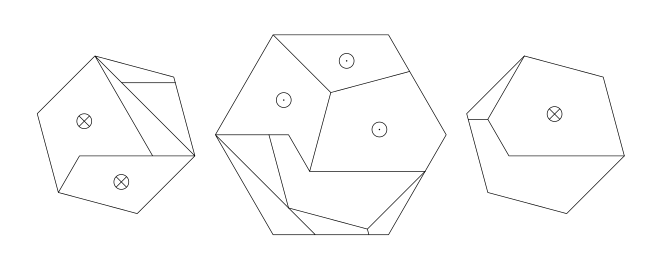
Hexagon — 2 × Hexagon (8 pieces with 2 turned over)
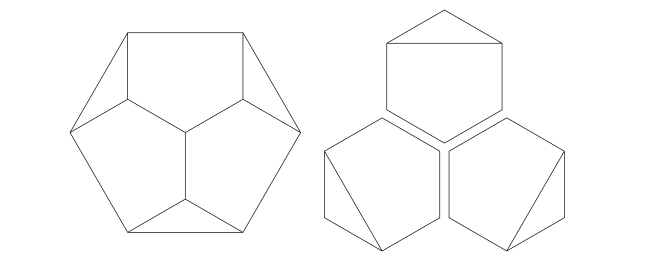
Hexagon — 3 × Hexagon (6 pieces)
The dissection is translational and hingeable.
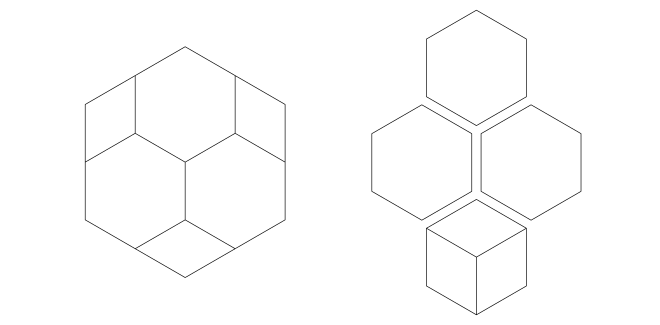
Hexagon — 4 × Hexagon (6 pieces)
The dissection is translational.
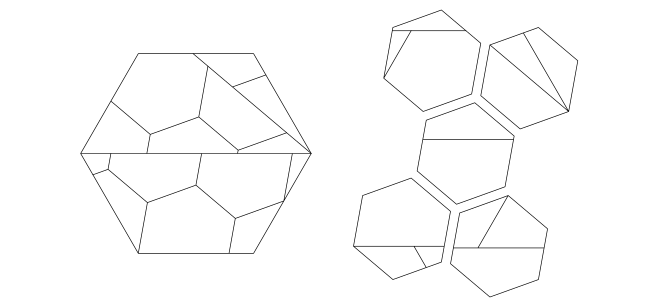
Hexagon — 5 × Hexagon (14 pieces)
The dissection is translational.
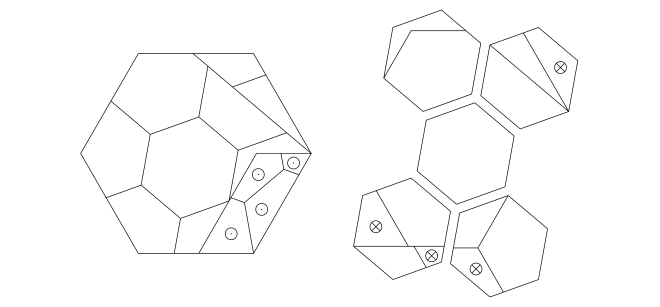
Hexagon — 5 × Hexagon (13 pieces with 4 turned over)
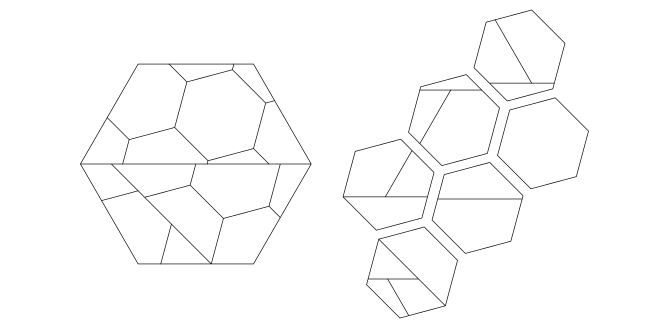
Hexagon — 6 × Hexagon (16 pieces)
The dissection is translational.
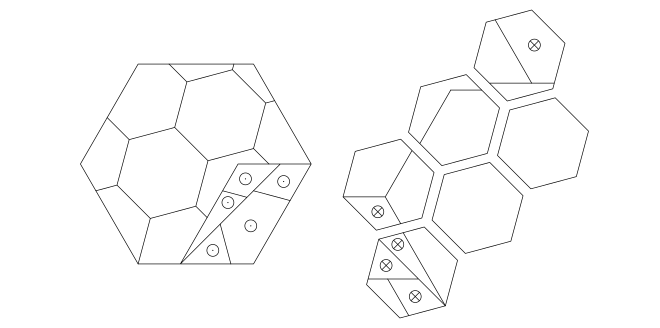
Hexagon — 6 × Hexagon (15 pieces with 5 turned over)
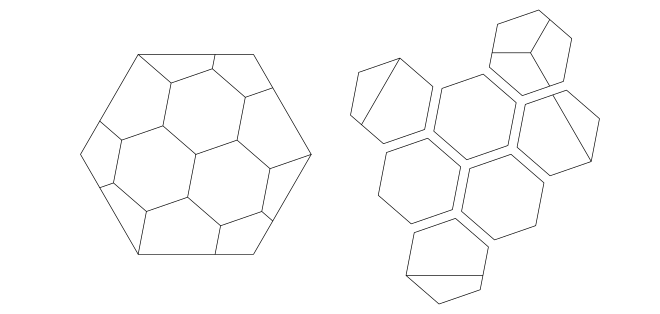
Hexagon — 7 × Hexagon (12 pieces)
Discovered by Ernest Irving Freese.
The dissection is translational.
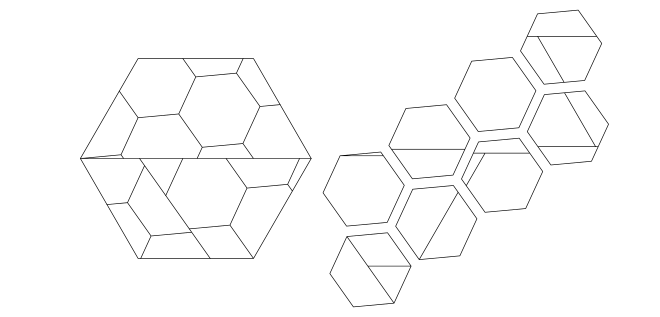
Hexagon — 8 × Hexagon (19 pieces)
The dissection is translational.
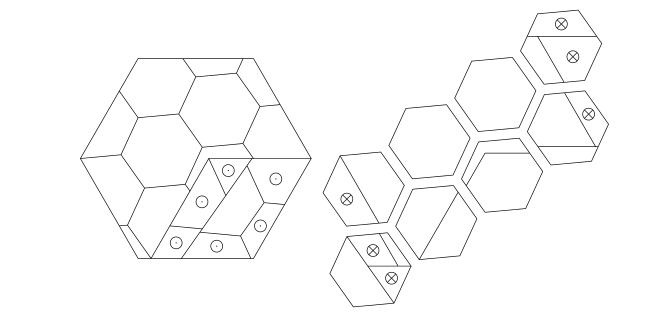
Hexagon — 8 × Hexagon (18 pieces with 6 turned over)
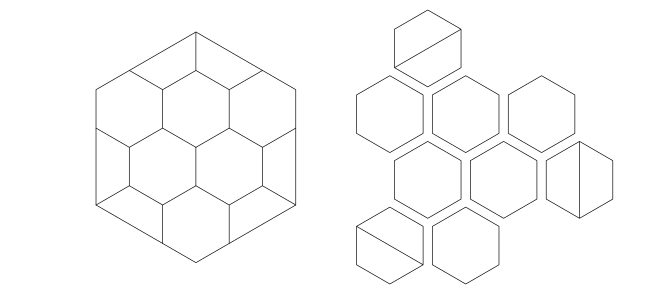
Hexagon — 9 × Hexagon (12 pieces)
The dissection is translational and hingeable.
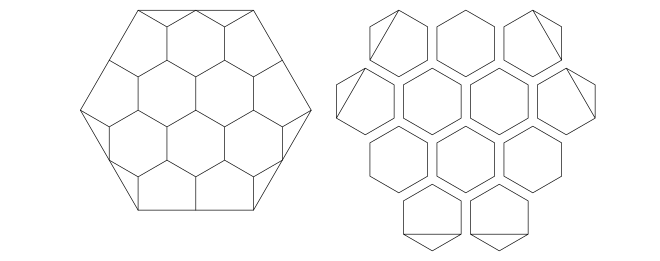
Hexagon — 12 × Hexagon (18 pieces)
The dissection is translational and hingeable.
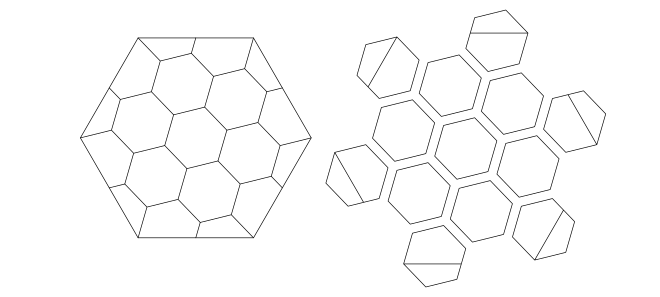
Hexagon — 13 × Hexagon (19 pieces)
Discovered by Ernest Irving Freese.
The dissection is translational and hingeable.
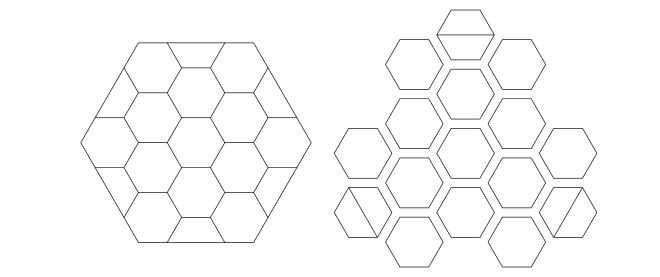
Hexagon — 16 × Hexagon (19 pieces)
The dissection is translational.